
CHILDREN'S EYE EXAMS
PRESCHOOL EYE EXAMS (AGES 2-5)
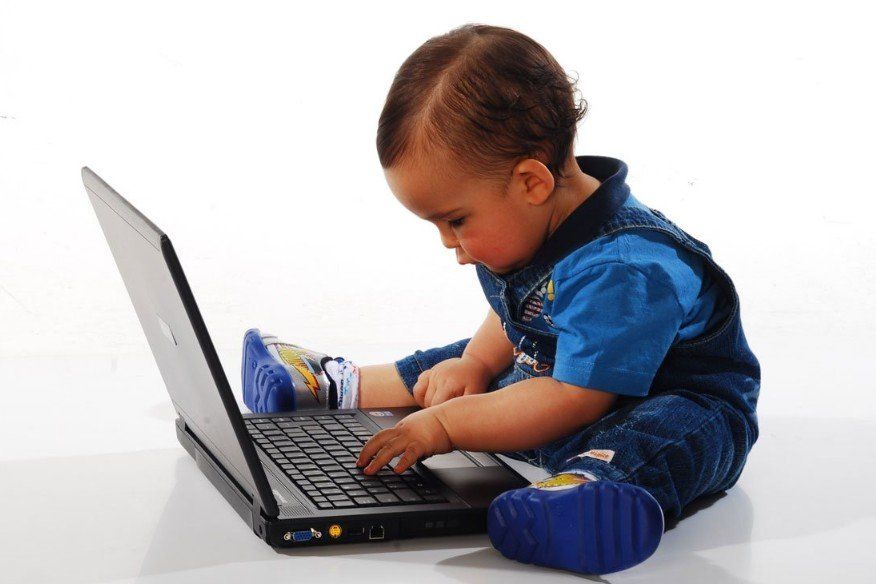
The toddler and preschool age is a time when children experience rapid growth in intellectual and motor skills.
During this time, they develop the perceptual abilities, fine motor skills and hand-eye coordination that prepare them to read, write, play sports and do creative activities such as drawing and building.
Because this is all dependent upon good vision and visual processes, The American Optometric Association recommends an eye exam during this time.

SCHOOL-AGED EYE EXAMS (AGES 6-18)
80% of learning is visual. Undetected or uncorrected vision problems can cause children and teens to suffer academically, socially, athletically and personally.
If your child is having trouble in school or afterschool activities there could be an underlying vision problem.
Since most children do not understand what “normal” vision is, regular eye exams make it far more likely that any issues can be detected before they have a negative impact on learning, development or quality of life.
WHAT TO EXPECT DURING A CHILD'S EYE EXAM
- How the eyes work together as a team (we call this binocular vision)
- Focusing ability
- Peripheral vision
- Color vision
- Hand-eye coordination
- Tracking
Schedule Kid's Exam
AMERICAN OPTOMETRIC ASSOCIATION’S RECOMMENDED EXAMINATION FREQUENCY FOR THE PEDIATRIC PATIENT
| PATIENT AGE | ASYMPTOMATIC / RISK FREE | AT RISK |
|---|---|---|
| Birth to 24 Months | At 6 months of age | By 6 months of age or as recommended |
| 2 to 5 years | At 3 years of age | At 3 years of age or as recommended |
| 6 to 18 years | Before first grade and every two years thereafter | Annually or as recommended |
- Prematurity, low birth weight, oxygen at birth, grade III or IV intraventricular hemorrhage
- Family history of retinoblastoma, congenital cataracts, or metabolic or genetic disease
- Infection of mother during pregnancy (e.g., rubella, toxoplasmosis, venereal disease, herpes, cytomegalovirus, or AIDS)
- Difficult or assisted labor, which may be associated with fetal distress or low Apgar scores
- High refractive error
- Strabismus
- Anisometropia
- Known or suspected central nervous system dysfunction evidenced by developmental delay, cerebral palsy, dysmorphic features, seizures, or hydrocephalus
COMMON SIGNS OF VISION CHANGES IN CHILDREN
- Holding reading materials too close
- Squinting while reading
- Complaining of blurred vision
- Turning head to side to look at something
- Reverses letters and words
- Closes or covers one eye
- Having short attention span
- Poor reading comprehension
- Headaches when reading
- Poor recall of visually presented material
- Avoiding reading, drawing or playing games requiring focusing up close